Santiago Food Tours: What to Eat and Where a Local Takes You
2026-09-22
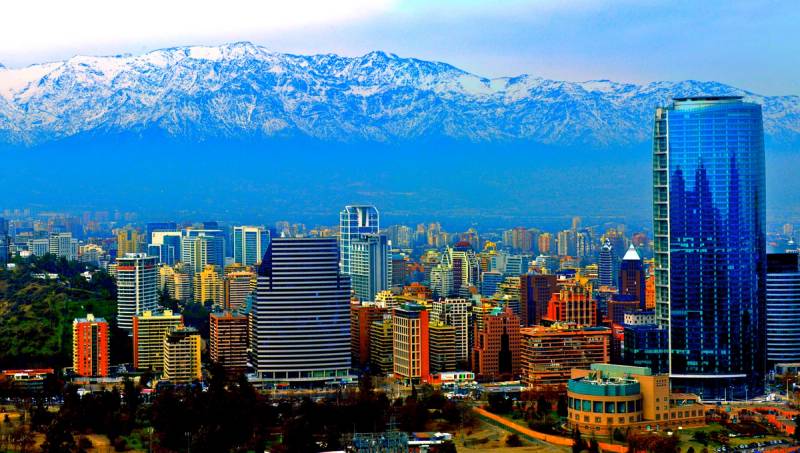
Santiago does not shout about its food the way Lima or Buenos Aires do, which is exactly why eating here is a pleasure: the good places are full of locals, not lines. This is what we order, where we go, and how a food tour in Santiago actually works.
What to eat in Santiago
- Pisco sour. Chile and Peru have argued for centuries over who invented pisco. Order one anyway; the Chilean version is sharper and less sweet.
- Empanada de pino. Baked, filled with minced beef, onion, a slice of hard-boiled egg, an olive and a raisin. The Sunday lunch of the country.
- Pastel de choclo. A sweet corn crust over the same pino filling, served in a clay dish. Summer food, when the corn is fresh.
- Seafood. Chile is one long coastline. Machas a la parmesana (razor clams under parmesan), reineta, and a caldillo de congrio, the eel soup Pablo Neruda wrote an ode to.
- Completo. A hot dog under avocado, tomato and mayonnaise. The honest late-night meal.
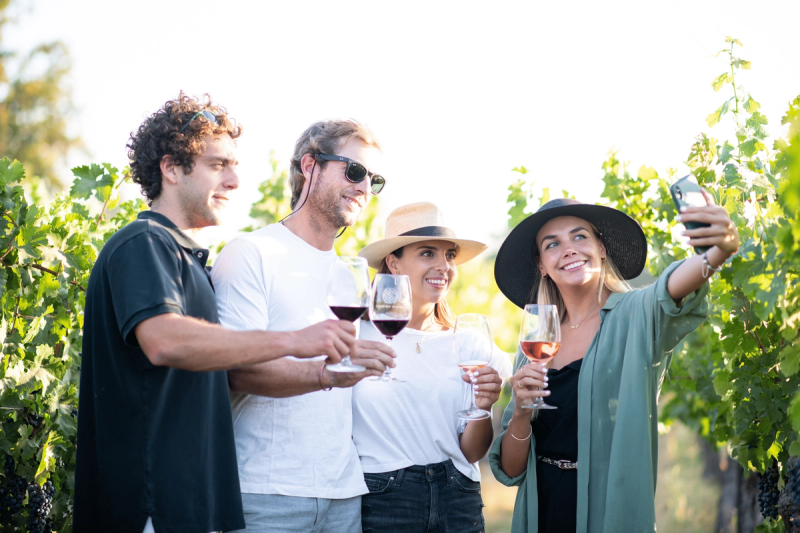
- Chilean wine at the source. Carmenere is the grape Chile made its own; a good wine bar will pour you through it glass by glass.
Where Santiago eats
Lastarria is four small blocks of galleries, bookshops, terrace cafés and some of the city's best restaurants, ten minutes on foot from the Plaza de Armas. It is where we run our food walk, because everything worth tasting sits within a few hundred metres.
Bellavista, across the river, has the street art, the late nights and La Chascona, Pablo Neruda's house. Go for dinner and stay for the bars.
Mercado Central is the wrought-iron seafood market near the Plaza de Armas: the most honest lunch in town, and the place for that caldillo de congrio.
Barrio Italia is a former furniture-making district turned café and design quarter: restored mansions full of independent shops, ceramics studios and patio restaurants. Less touristy, and worth an afternoon.
How our Lastarria food tour works
Our Lastarria culinary experience is three hours on foot, in a group of no more than ten, in English, Spanish or Portuguese. It starts at the Centro Cultural Gabriela Mistral, the building thousands of volunteers raised in 275 days in 1972. From there:
- Chipe Libre, the bar that declared itself the Independent Republic of Pisco, for a pisco sour and Chilean home-style bites.
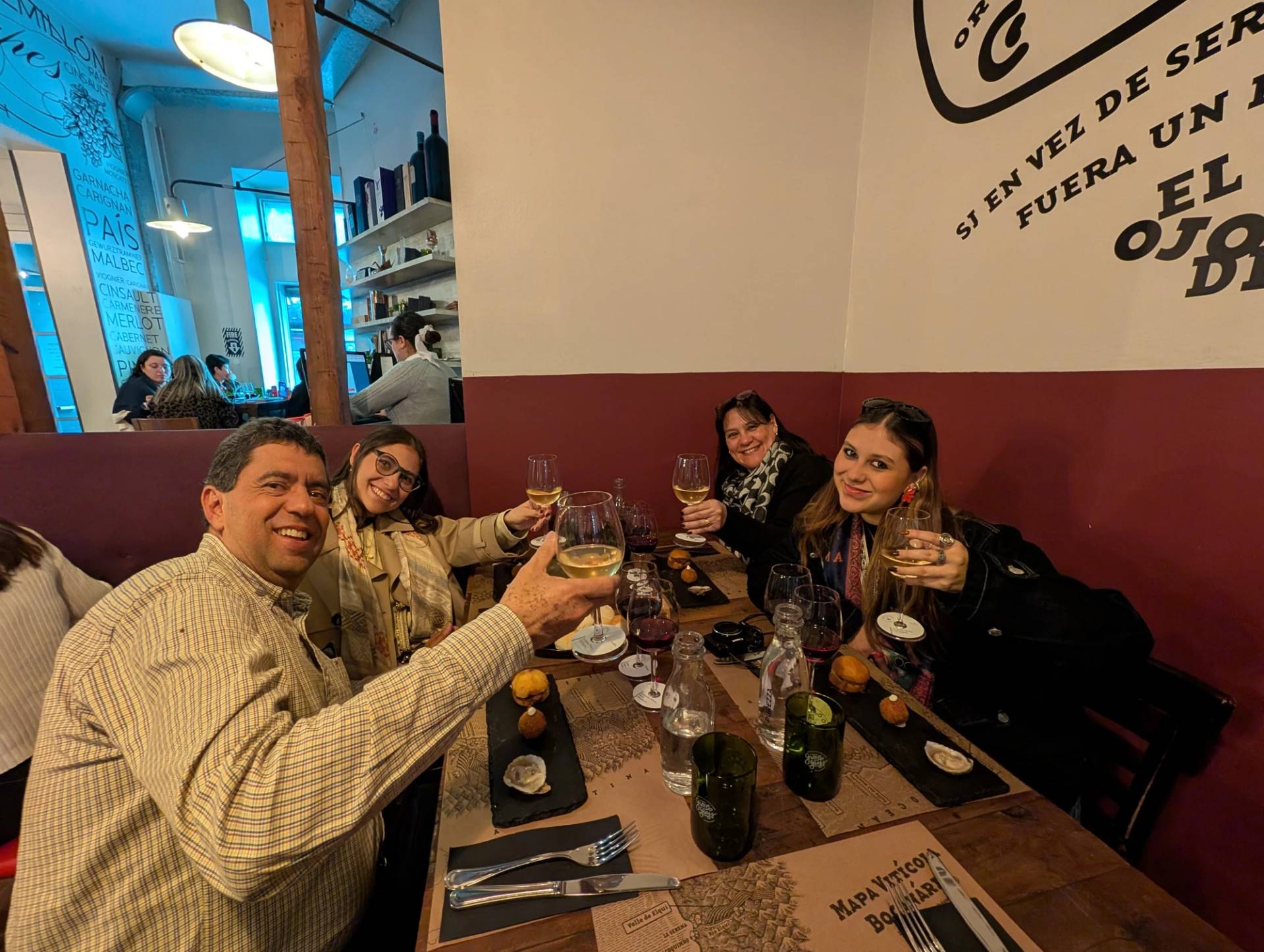
- BocaNariz, Chile's first wine bar, where a sommelier walks you through Chilean wines from a list of more than 300 labels that holds the Wine Spectator Award of Excellence.
- Iglesia de la Vera Cruz, the neoclassical church that burned in November 2019 and still carries the scars in plain sight.
- Casa Lastarria, a heritage mansion by architect Luciano Kulczewski, for a three-course Chilean lunch with a welcome pisco sour.
All food and drink along the way is included. Tips and hotel pickup are not; the meeting point is a short metro ride from anywhere central.
Frequently asked questions
How long is a food tour in Santiago? Ours is three hours, including a sit-down lunch. Come hungry; nobody has ever left wanting more food.
Is it suitable for vegetarians? Yes. Tell us when you book and the stops are adjusted; Chilean cooking has plenty of corn, beans, avocado and cheese to work with.
Is Santiago safe for walking between restaurants? Lastarria and Bellavista are lively and well lit into the evening. As anywhere, keep your phone in a pocket rather than your hand.
Can we do it as a private group? Yes. The same walk, or a longer day that adds a winery, can be built as a private tour.
If you would rather taste your way through the city with someone who knows the kitchens, book the Lastarria walk or see all our Santiago tours.