The Best Things to Do in Santiago, Chile (A Local's Guide)
2026-06-29
If you only have a few days in Santiago, spend them like this: one day in the historic centre and up Cerro San Cristóbal, one day in the Lastarria and Bellavista neighbourhoods, and one day in the Maipo Valley wineries 45 minutes from the city. That mix gives you the history, the views, the food, and the wine — the four things travellers remember most.
We run small-group tours here every week, so the list below isn't guesswork — it's where we actually take people, with honest tips on how to do each one well.
Walk the historic centre (and time the Changing of the Guard)
Santiago was founded at the Plaza de Armas in 1541, and it's still the best place to start. Around the square you'll find the Metropolitan Cathedral, the old central post office, and a constant scene of chess players, street musicians, and ice-cream carts. A few blocks south sits La Moneda, the presidential palace, where the ceremonial Changing of the Guard takes place every other day at 10am (it's worth checking the date before you go). The centre rewards slow walking — the best details (a hidden courtyard, a century-old café, the story behind a statue) live in the side streets, not on the main square.
Climb Cerro Santa Lucía, where Santiago began
Right in the middle of the city is the small, ornate hill where it all started: on 12 February 1541 the conquistador Pedro de Valdivia founded Santiago on Cerro Santa Lucía. Today it's a free, romantic tangle of stone stairways, fountains, and terraces, with one of the best easy viewpoints over the rooftops toward the Andes. It's a ten-minute walk from Lastarria and free to enter, so it pairs naturally with a morning in the historic centre.
Ride the funicular up Cerro San Cristóbal
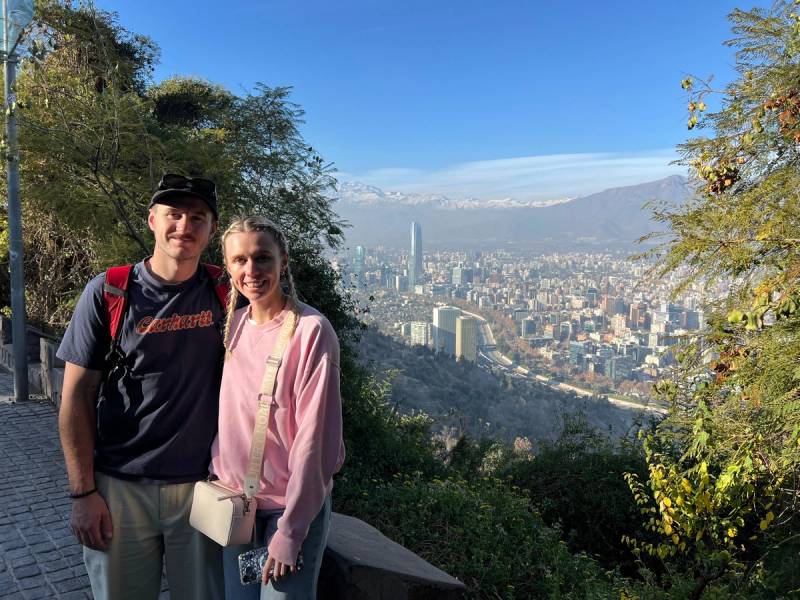
This is the classic Santiago postcard, and for good reason. The 1925 funicular climbs through the green slopes of the Parque Metropolitano to the summit, where a 14-metre statue of the Virgin of the Immaculate Conception looks out over the whole valley. On a clear morning the Andes line the horizon like a wall. Go early — the light is better and the queues are shorter — and take the cable car for at least one leg of the trip. It's the centrepiece of our Santiago Skyline tour, funicular and cable car included.
See the city from the tallest tower in Latin America
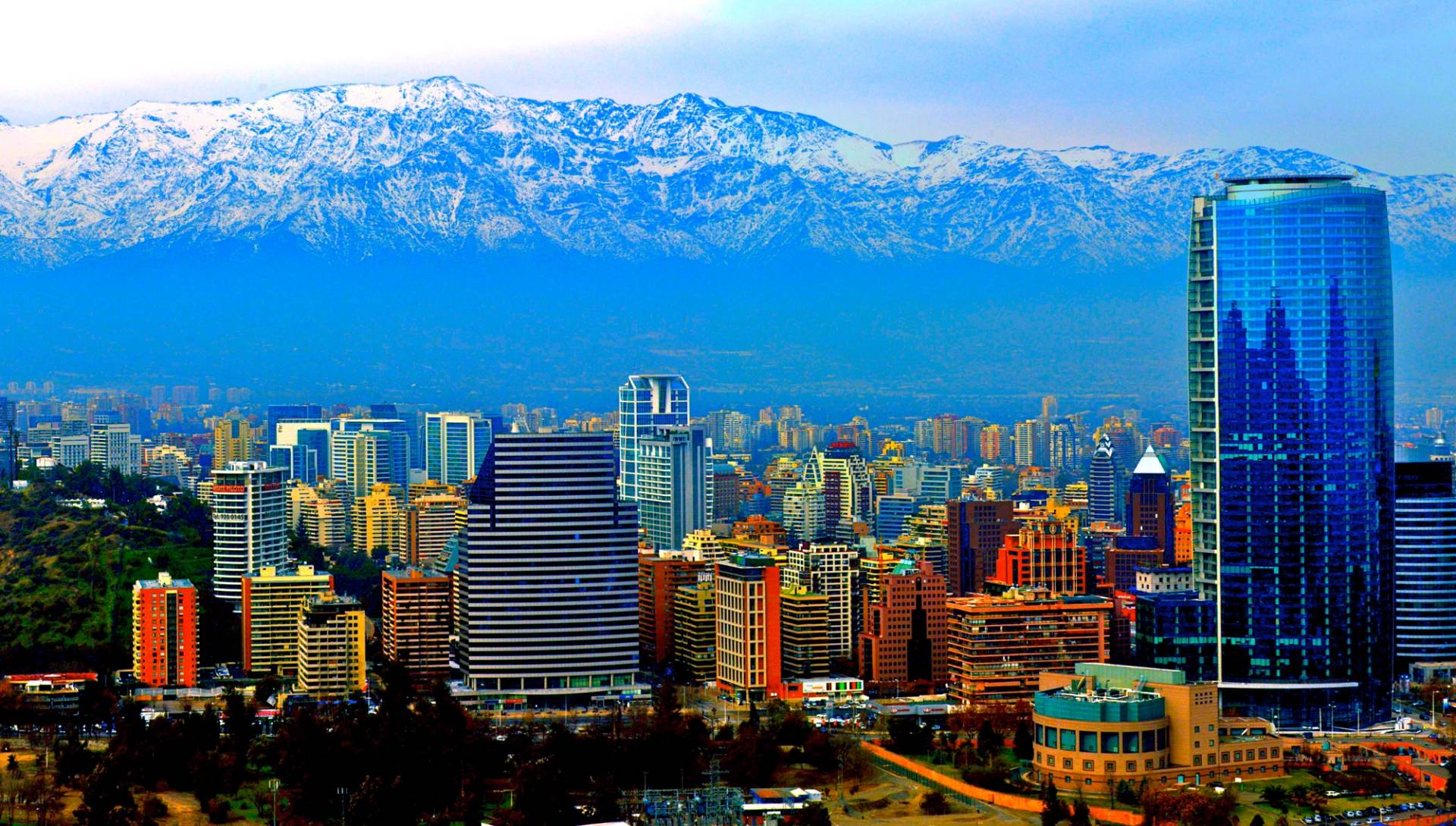
Sky Costanera is the highest observation deck on the continent — 300 metres up, on the 62nd floor, with floor-to-ceiling glass and a genuine 360° view of the city ringed by mountains. It sits in Las Condes, in the cluster of glass towers locals nickname "Sanhattan." Go up near sunset if you can, and pair the viewpoint with a walk through that modern district — the contrast with the colonial centre a few kilometres west tells you a lot about how fast Santiago has changed.
Eat and drink your way through Lastarria and Bellavista
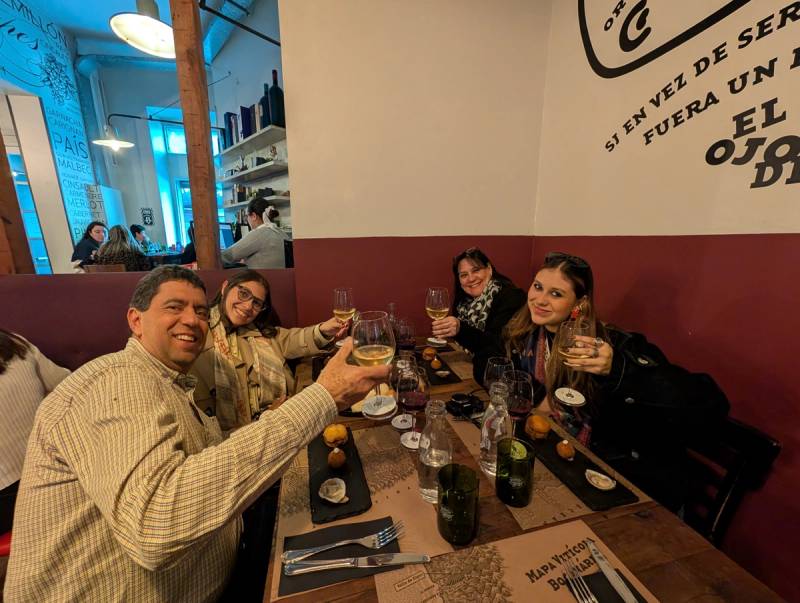
Santiago's food scene lives in its neighbourhoods. Lastarria is four small blocks of galleries, bookshops, terrace cafés, and some of the city's best restaurants — easy to wander, hard to leave. Across the river, bohemian Bellavista has the street art, the late nights, and La Chascona, Pablo Neruda's wonderfully eccentric house, now a museum. Don't skip the Mercado Central either — the wrought-iron seafood market is the most honest lunch in town. For something more local and less touristy, give an afternoon to Barrio Italia, a former furniture-making district that's become the city's design-and-café heartland — restored mansions full of independent shops, ceramics studios, and patio restaurants. If you'd rather taste your way through with someone who knows the kitchens, our Lastarria culinary experience pairs Chilean wines, a pisco sour, and a proper three-course lunch.
Take a day trip to the Maipo Valley wineries
You can be sipping Carmenère among the vines 45 minutes after leaving the city. The Maipo Valley is Chile's most famous wine region and home to historic estates like Santa Rita, Cousiño Macul, and the striking horseshoe-shaped Haras de Pirque, with the Andes as a backdrop the whole time. A half-day with one or two tastings is plenty if you're short on time; most estates ask you to book ahead, especially in summer and on weekends.
Go beyond the city: coast, mountains, and snow
Some of Santiago's best days happen just outside it. The bohemian port of Valparaíso — a UNESCO World Heritage city of painted hills, funiculars, and street art — is about 90 minutes west, usually paired with the seaside resort of Viña del Mar. To the southeast, the Cajón del Maipo carves into the Andes within an hour, with hiking, white-water rafting, hot springs, and the turquoise El Yeso reservoir. And from late June to early October, the slopes at Valle Nevado and nearby resorts sit about 90 minutes up the mountain — you really can ski in the morning and have wine in the city by night.
A few honest local tips
- When to go: Santiago gets over 300 sunny days a year. Spring (Sep–Nov) and autumn (Mar–May) are ideal; mid-summer can be hot and winter mornings hazy.
- Getting around: the Metro is clean, cheap, and fast; Uber and taxis fill the gaps. The centre, Lastarria, and Bellavista are all walkable from each other.
- Tap water is safe to drink, and most guides, menus, and signs you'll care about come in English.
- Safety: it's a big city — keep an eye on your phone in crowds and you'll be fine.
FAQ
What's the number one thing to do in Santiago? If you do only one thing, ride the funicular up Cerro San Cristóbal for the Andes-and-city view — it's the moment most visitors remember.
Is Santiago worth visiting? Yes — especially as a base. The city itself is rewarding for two to three days, and it puts wine country, the coast, and the mountains all within day-trip range.
Can you do a wine tour from Santiago in a day? Easily. The Maipo Valley is about 45 minutes away, so a half-day tour with a couple of tastings fits comfortably into any itinerary.
Can you ski near Santiago? Yes — from roughly late June to early October, Valle Nevado and neighbouring resorts are about 90 minutes from the city, close enough for a day on the slopes.
How many days do you need in Santiago? Three days covers the highlights without rushing: centre and San Cristóbal, the neighbourhoods, and a wine day. Add more if you want the coast or the Andes.
Come explore it with us
We're locals who love showing people the real Santiago — the corners, the food, and the stories behind them. If any of the above sounds like your kind of day, come explore our tours and we'll handle the rest.